




Rain changes everything — visibility, oxygen levels, and how fish feed. While many anglers pack up when the sky opens, smart ones stay and score. Here’s how to turn post-rain conditions into your best fishing window using the right strategy and Smart Bait setup.
🌧️ Why Fishing Gets Better After Rain
When rain hits the water, oxygen levels spike and temperatures drop slightly — two conditions that make fish more active. Runoff from banks also washes insects, worms, and baitfish into the water, attracting larger predators to feed near the surface or river mouths.
💨 Oxygen Surge
Rainfall aerates the water and triggers feeding frenzies, especially in shallow zones. Predators patrol closer to the surface than usual.
🌡️ Cooler Temps
The drop in temperature encourages movement. Fish that hid during hot daylight hours start to roam freely.
🍽️ Food Flush
Washed-down insects, larvae, and small baitfish gather near runoff channels — your new target zone.
🌫️ Handling Muddy or Cloudy Water
Post-rain, visibility drops — but that’s where Smart Bait shines. Instead of relying on sight, fish use vibration and sound to locate prey. Your setup should emphasize movement, light, and scent.
Rig Setup
- Line: 10–12 lb fluorocarbon for abrasion resistance
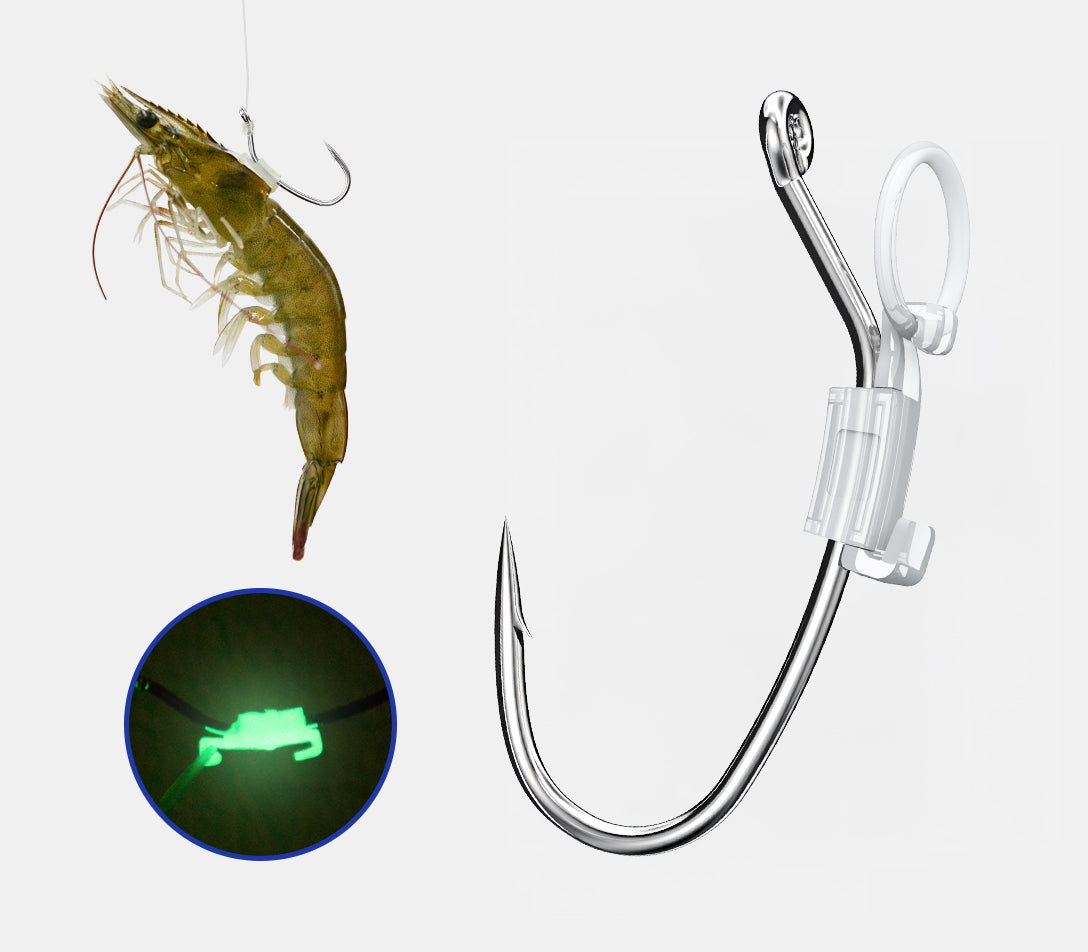
- Hook: #2–#4 wide-gap hook for bulky baits
- Weight: Use a ¼ oz sinker to stay below surface current
Smart Bait Settings
- Mode: High vibration + intermittent flashes
- Retrieve: Slow roll with 2-second pauses
- Color: Use bright or UV-reactive tones for visibility
Let your bait send signals fish can detect — strong pulses, subtle light, and steady movement. The murkier the water, the more consistent your rhythm should be.
🏞️ Where to Cast After Rain
Rain changes where fish position themselves. Look for runoff zones, current breaks, and areas where debris collects — these are feeding hotspots.
1. Creek Mouths & Runoff Channels
Predators gather where small prey wash in — perfect ambush zones.
2. Downstream Eddies
After heavy rain, current slows behind rocks and bends. Fish rest and feed there.
3. Shallow Flats Near Drop-offs
When light fades after storms, fish chase bait onto shallows. Work slow and steady retrieves.
⚙️ Adjust Your Strategy by Rain Intensity
| Rain Type | Fish Behavior | Best Smart Bait Mode | Recommended Area |
|---|---|---|---|
| Light Drizzle | Fish move shallow; active feeding | Medium pulse + soft glow | Shorelines, grass beds |
| Steady Rain | Increased oxygen, steady movement | Continuous vibration + flash | Runoff channels, inflow zones |
| Heavy Rain | Fish stay deep but feed near current breaks | High vibration + longer pauses | Downstream eddies, submerged rocks |
🎣 Pro Tip — Don’t Leave After the Storm
The hour after rain stops is often the best time to fish. Water clarity starts improving, oxygen remains high, and prey is still disoriented. Activate your Smart Bait’s vibration mode and cast near structure — that’s when big bites happen.
Stay Out, Fish Smarter
Rainy conditions don’t mean game over — they mean opportunity. With Kanama Smart Bait, vibration and flash replace visibility, turning muddy water into your best chance at a trophy catch.


